SOCIO-CULTURAL RESEARCHER
Dr. Sheri
Adekola
Migration & Labour Market Research · Policy Scholar · SSHRC-Funded Researcher
Examining how institutions shape professional opportunity, migration, and belonging.

Examining migration systems, regulatory frameworks, and policy structures that shape professional access and long-term mobility for internationally educated professionals.
20+
Years Teaching & Research
SSHRC
Funded Research
7+
Institutions Taught
1,400+
Youth Trained
King Charles III Medal
Recognized for Community Leadership
SOCIO-CULTURAL RESEARCHER
Understanding how institutions shape opportunity.
Canada depends on the skills and experience of internationally educated professionals, yet many face barriers to recognition, labour market entry, and long-term advancement. My research examines how institutions shape opportunity, and how policy can better align talent, equity, and economic inclusion.
- Migration systems influence workforce outcomes.
- Credential recognition affects economic mobility.
- Evidence-informed policy can reduce wasted talent.
Scholarship
Research Areas .
Interdisciplinary research examining how policy, regulatory systems, and institutional structures shape access, equity, and outcomes across health and social domains.

View Research →
01
Migration & Labour Market Integration
Immigration systems and professional recognition for skilled migrants
02
Professional Citizenship & Institutional Barriers
Belonging, recognition, and systemic inequality in regulated professions
03
Migration, Health & Workforce
Integration pathways for internationally educated health professionals
04
Institutional Governance & Access
How governance and policy shape participation across social domains
Selected Work
Publications by Theme.
All Publications →
theme 01
Professional Citizenship & Labour Market Integration
Interdisciplinary research examining how policy, regulatory systems, and institutional structures shape access, equity, and outcomes across health and social domains.
Read More →
Theme 02
Migration, Health & Workforce Participation
Integration of internationally educated professionals in health systems
Read More →
Theme 03
Research Methods & Methodological Innovation
The PACED Framework and mixed-methods research design
Read More →
Theme 04
Digital Visibility & Black Studies in Higher Education
Read More →
Theme 05
Gender, Migration & Community
Read More →
FEATURED PUBLICATIONS
2026
Transnational information brokerage and migration chains among Nigerian health workers in Canada and Nigeria
Discover Social Science and Health (Springer Nature)
2026
Professional Citizenship Denied: InternationallyEducated Black Health Professionals and the Politics of Recognition in Canada
Healthcare Management Forum
Invited
Under Review
2026
The PACED Framework: A Structured Approach toWriting the Methods Section Across Quantitative, Qualitative, and Mixed Methods Research
International Journal of Qualitative Methods
Under Review
2023
African Single Mothers and Their Children in Canada: Transnational Experiences and Sources of Support
Journal of Family Studies · Olukotun, Mason, Fouché, Richter, Sibeko, Adekola & Salami
2021
From Brain Drain to Brain Retrain: Nigerian Nurses in Canada
In M. Walton-Roberts (Ed.), Global Migration, Gender and Health Professional Credentials · University of Toronto Press
Pedagogy
Teaching Areas.
Dr. Adekola has taught across seven Canadian postsecondary institutions in full-time, partial-load, contract, and sessional capacities. Student evaluations consistently 4.5–4.9 / 5.
Methods
Research Methods
Health & Society
Health Systems, Policy & Equity
Labour & Migration
Migration, Labour Markets & Inequality
Policy & Gender
Gender, Work & Public Policy
MEDIA & SPEAKING
Available for Commentary & Talks.
Dr. Adekola is available for media interviews, keynote speaking, panel presentations, and policy consultation. She offers accessible, evidence-based expertise on the issues that matter most to Canadian policy, communities, and institutions.
- Immigration policy and labour marketintegration
- Credential recognition and professional access
- Internationally educated health professionals
- Black Canadian communities and institutional equity
- Higher education and research methods
- Community leadership and public service
Community & Leadership
Ontario Learning Development Foundation.
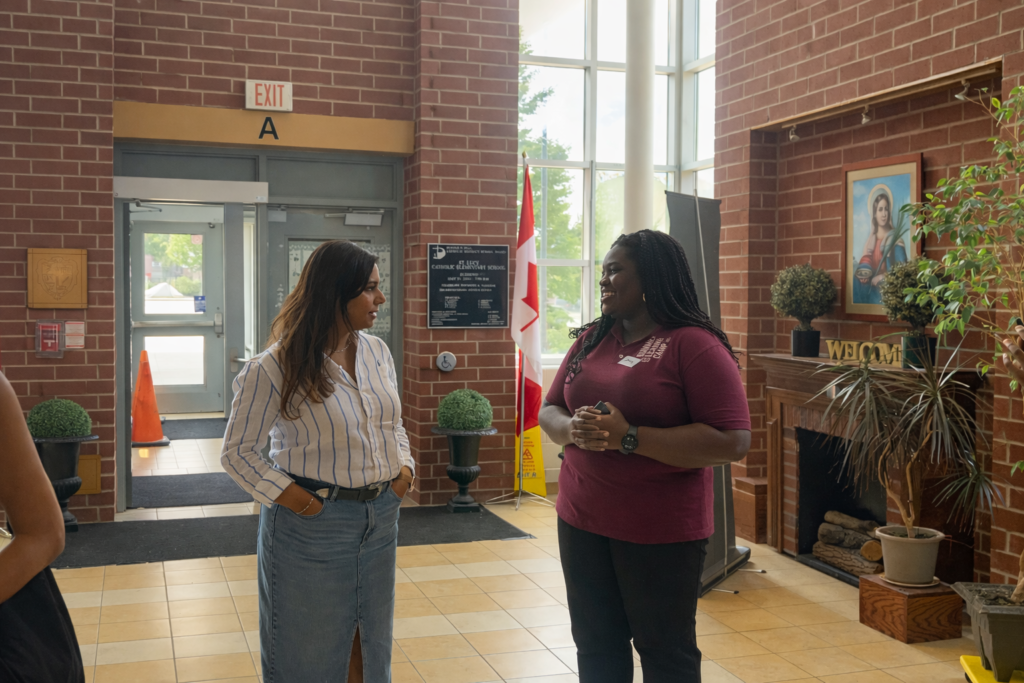
- Founder and Executive Director since 2006
- 1,300+ youth trained through leadership and development programs
- Programs supporting youth, newcomers, and families
- Translating academic research into community practice
Community & Leadership
Ontario Learning Development Foundation.
King Charles III Coronation Medal
SSHRC-Funded Doctoral Research
Social Sciences and Humanities Research Council funding at Wilfrid Laurier University